
Legendary Guitarists Who Used Music Theory (And How You Can Use It Too)
A lot of guitarists think music theory is boring, complicated, or kills creativity. The truth? Many of the most legendary guitarists actually used music theory as a secret weapon to write better songs, create memorable solos, and unlock new sounds on the fretboard.
In this post, I’ll show you which famous players leaned on theory, what they did with it, and — most importantly — how you can start applying the same concepts in a simple, guitar-friendly way.
Let’s look at some of the biggest names and the theory tools they used.
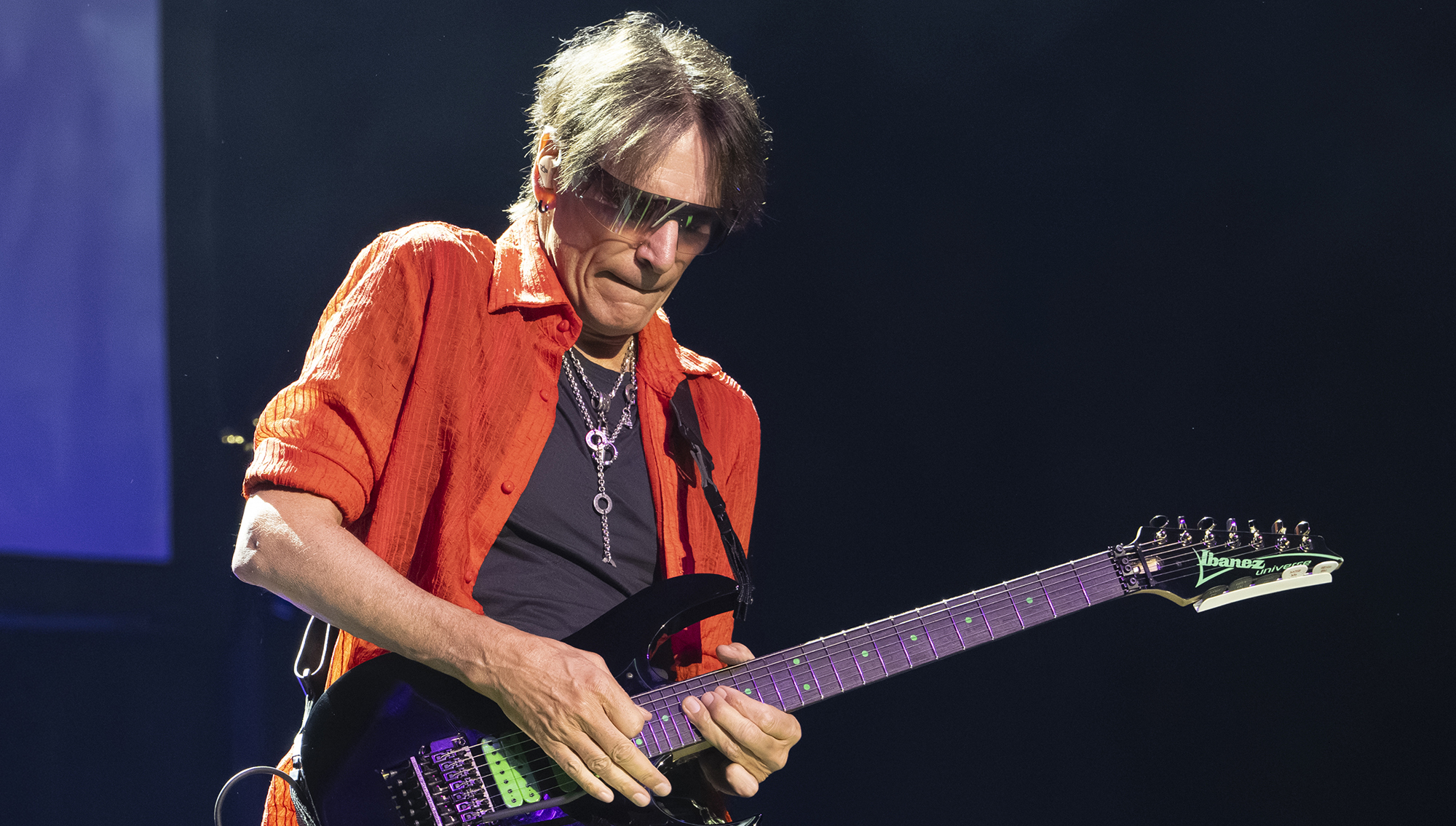
1. Steve Vai – Modes, Scales & Advanced Harmony Steve Vai studied at Berklee College of Music and has always been very open about using music theory. He treats scales and modes like colors on a palette.
How he used theory: Vai often switches between different modes (especially Dorian, Mixolydian, and Lydian) to create unique emotional textures. He also uses symmetrical scales and altered chords for his more exotic-sounding solos.
What you can steal today: Start by learning the 7 modes of the major scale. A great beginner exercise is to play the C major scale, then play D Dorian (same notes, but starting on D) over a Dm chord. Notice how the mood changes. Try this over a simple backing track.
Practical tip: Use the Circle of Fifths to quickly find which chords work well together when switching modes.
2. John Petrucci – Arpeggios, Sweep Picking & Key Centers Dream Theater’s John Petrucci is famous for his technical precision. Behind the speed is a very strong understanding of chord construction and harmony.
How he used theory: Petrucci builds sweep arpeggios using triads and 7th chords. He knows exactly which arpeggios belong to each key center.
What you can steal today: Practice three-string arpeggios (major and minor triads) using sweep picking. Start slow with a metronome. Once comfortable, move them around the fretboard using the Circle of Fifths to stay in key.
Pro move: Learn the diatonic chords in a major key (I, ii, iii, IV, V, vi, vii°). This helps you know which arpeggios will sound musical together.
3. Brian May – Harmonized Guitar Lines & Voice Leading Queen’s Brian May created orchestral-sounding guitar parts by layering multiple guitar tracks with beautiful harmonies.
How he used theory: May frequently harmonizes melodies in thirds and sixths and understands smooth chord movement (voice leading).
What you can steal today: Record a simple melody, then record the same melody a third higher. Pan one left and one right. Use the Circle of Fifths to choose chord progressions that resolve naturally (e.g., moving from G to C to D).
4. Eddie Van Halen – Pentatonic Scales + Theory Intuition While Eddie was mostly self-taught and played by ear, he had an intuitive grasp of key centers and often used the minor pentatonic with added “blue notes” and chromatic passing tones.
What you can steal: Master the minor pentatonic scale in all positions. Then start adding the ♭5 (“blue note”) and experiment with bending into chord tones. This is a very practical way to blend feel with basic theory.
5. Jimmy Page & Classic Rock Progressions Jimmy Page used powerful, moving chord progressions that follow the Circle of Fifths (think the descending sequence in “Stairway to Heaven” or the classic rock progression in many Zeppelin songs).
What you can steal: Learn common Circle of Fifths progressions on guitar: C → G → D → A → E (very common in rock) Practice moving between these chords smoothly and experiment with adding single-note lines on top.
Simple Music Theory Tips You Can Start Using This Week
- Master the Circle of Fifths on Guitar Place it on the fretboard: Start at C, go clockwise (up a fifth) or counterclockwise (up a fourth). This helps you instantly know related chords and keys.
- Learn the 3 Most Useful Modes First
- Ionian (Major scale)
- Dorian (great for minor grooves)
- Mixolydian (perfect for dominant/bluesy feels)
- Use Theory as a Tool, Not a Rulebook The best players learn theory to explain what they already hear — then break the rules creatively.
Which legendary guitarist’s approach to music theory surprises you the most? Or which concept would you like me to explain in a future post (modes, chord substitutions, etc.)?
Drop your answers in the comments — I read every one!
If you want help applying these ideas to your own playing with direct feedback, I’d love to work with you in a personalized 1-on-1 online guitar lesson.
Keep practicing with purpose!
— Joe, Berklee Graduate & Guitar Coach