
Fender’s Major Win on Stratocaster Body Copyright: What Guitar Players Need to Know in 2026
By Joe – LearnGuitarWithJoe.com
The guitar world is buzzing. In March 2026, Fender secured a landmark legal victory in Germany that could reshape how Stratocaster-style guitars are made and sold across Europe. A German court ruled that the iconic Stratocaster body design qualifies as a copyrighted work of applied art, giving Fender powerful new tools to protect its classic shape.
As a guitar teacher who’s spent years helping students fall in love with the Stratocaster, this story hits close to home. Let’s break down exactly what happened, why it matters, and what it could mean for everyday players like you.
What Exactly Happened in the Düsseldorf Court?
On March 9, 2026, the Regional Court of Düsseldorf ruled in favor of Fender Musical Instruments Corporation (FMIC) against a Chinese manufacturer, Yiwu Philharmonic Musical Instruments Co. The company had been selling Strat-style guitars on platforms like AliExpress that Fender claimed unlawfully copied the Stratocaster’s body design.
The key part? The court didn’t just treat this as a trademark issue. They recognized the Stratocaster body as a copyrighted work of applied art under German and European law. This is a big deal because copyright protection is stronger and longer-lasting than many design patents or trademarks for functional items.
What does “work of applied art” mean? It means the design isn’t seen as purely functional (like a basic tool). Instead, it reflects original creative expression from Leo Fender — the curves, contours, and overall aesthetic that have defined the Strat since 1954. The court found that the personality of the creator is visible in the form.
As a result, the Chinese company is now prohibited from manufacturing, offering, or distributing guitars with that body shape into Germany and the broader EU. Violations could bring fines up to €250,000 or even prison time.
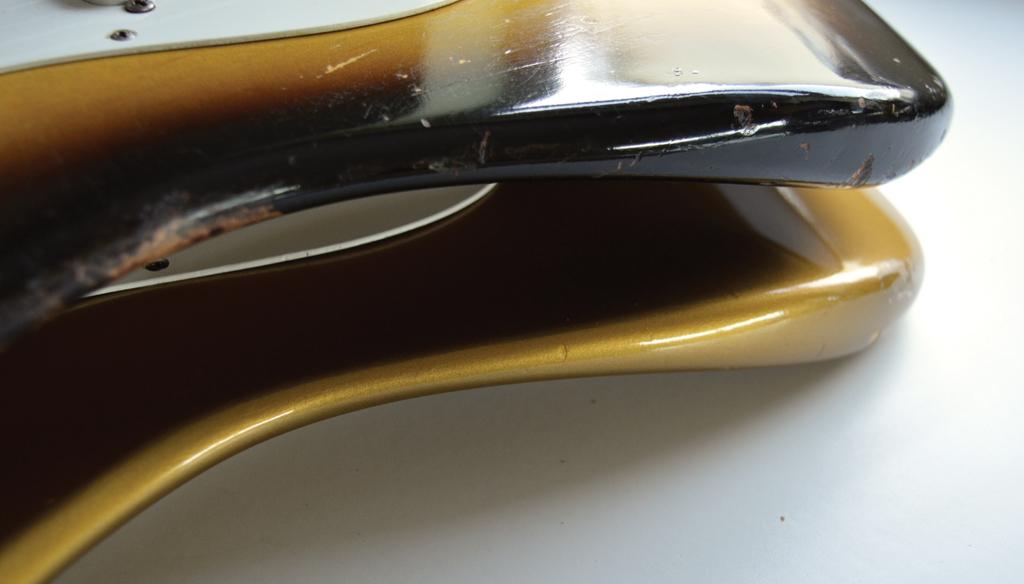
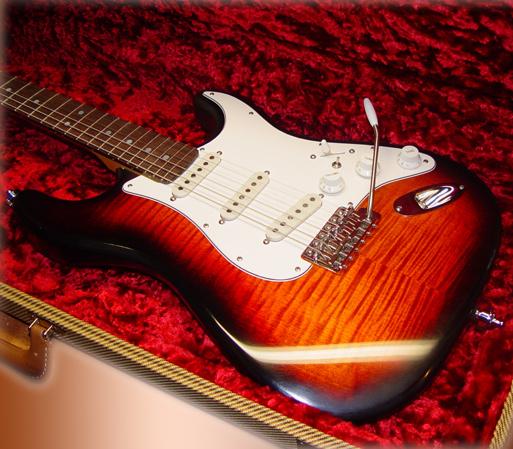
A Quick History of the Stratocaster Design
To understand why this ruling is significant, we need to go back to 1954. Leo Fender introduced the Stratocaster as a radical evolution of the Telecaster. It featured:
- The revolutionary double-cutaway body for better upper-fret access
- The sleek, ergonomic contours and beveled edges that made it comfortable for hours of playing
- The iconic “swimming pool” routing and tremolo system
What started as a practical instrument for working musicians quickly became a cultural icon. From Jimi Hendrix setting his Strat on fire at Monterey to David Gilmour’s soaring tones on The Dark Side of the Moon, the Stratocaster body shape has been copied, modified, and celebrated for over 70 years.
For decades, Fender has fought to protect its designs through trademarks on the name, headstock, and logos. But copyright on the actual body shape as artistic expression is a newer and stronger level of protection in Europe.
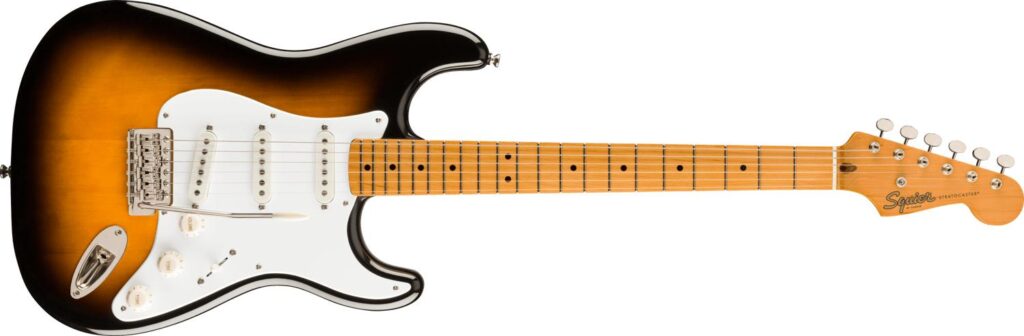
What Does This Mean for Guitar Players?
Here’s where things get interesting — and a bit controversial.
For players in the EU: If you love affordable S-type guitars (often called Strat copies), options might become more limited or more expensive. Many budget brands from Asia could be restricted from selling exact body-shape replicas into Europe. This could push prices up for legitimate imports or force manufacturers to make noticeable design changes (different contours, single-cutaways, etc.).
For builders and small luthiers: Independent guitar makers who produce Strat-inspired instruments may need to be more careful. While the ruling started with one Chinese company, it sets a precedent that Fender can use against others. Some forum discussions already mention Fender sending letters to builders.
In the United States: This ruling doesn’t directly apply. American copyright and design patent laws differ, so you’ll likely still see plenty of Strat-style guitars from brands like Squier, Harley Benton, G&L, and countless others. However, global manufacturers might standardize designs to comply with EU rules, indirectly affecting everyone.
The bigger picture for innovation: Critics worry this could stifle creativity. Guitar design has always involved borrowing and evolving ideas. Supporters argue that strong IP protection rewards innovation and helps iconic brands like Fender invest in quality and new models.
As a teacher, I see both sides. I want students to have access to affordable instruments so they can start playing right away. At the same time, I respect the decades of craftsmanship and cultural impact behind the Stratocaster.
How This Compares to Other Iconic Guitar Protections
Fender isn’t the first company to fight for design protection:
- Gibson has long protected the Les Paul shape and headstock.
- PRS won battles over their distinctive body and bird inlays.
- Even non-guitar items like furniture and cars have received “applied art” copyright in Europe.
The Stratocaster case stands out because of how ubiquitous the design has become. It’s one of the most copied guitar shapes in history.

What Should You Do as a Guitarist?
- If you’re shopping for a Strat now Consider official Fender or Squier models for peace of mind. Higher-end Squiers often use very close (but not identical) designs and deliver fantastic value.
- Focus on what really matters The body shape is iconic, but tone comes from pickups, wood, setup, and your playing. Many “non-Strat” guitars can give you that quack and sparkle with different ergonomics.
- Support innovation Look for brands creating fresh takes — offset bodies, ergonomic modern designs, or sustainable materials. The guitar industry needs both tradition and progress.
- For EU residents Check seller policies carefully. Many retailers are already adjusting inventories.
My Take as a Guitar Teacher
I’ve taught hundreds of students on Stratocasters. There’s something magical about that body shape — the way it sits against your body, the access to the higher frets, and that unmistakable look under stage lights.
This ruling highlights how much the Stratocaster transcends being “just a guitar.” It’s a piece of cultural history. At the same time, I hope it doesn’t make entry-level guitars harder to find for beginners.
The best guitars are the ones that get played. Whether it’s an original Fender, a well-made alternative, or even a modded Squier, what matters is the music you make with it.
The Future of the Stratocaster
Will we see more legal actions? Will manufacturers redesign their S-types with altered contours? Could Fender extend similar protection to the Telecaster?
Only time will tell. For now, this ruling reinforces that the Stratocaster isn’t just gear — it’s intellectual property with artistic value.
If you play Stratocaster or Strat-style guitars, I’d love to hear your thoughts. Has this news changed how you think about your instrument? Are you team “protect the icon” or “keep designs open for everyone”?
Drop a comment below, share your current guitar setup, or tell me which Strat techniques you’re working on (string bending? Hybrid picking?).
Ready to master your Strat? Check out my guide: 10 Must-Know Guitar Techniques Every Guitar Player Should Learn