
If you’ve ever strummed a 12-bar blues progression, bent a string on the guitar, or felt that raw emotion in a riff, you’ve touched the heart of American music. The blues isn’t just one genre — it’s the foundation that almost every major style of American popular music is built on.
From rock ‘n’ roll and jazz to soul, R&B, funk, and even modern pop and hip-hop, the blues provided the DNA. Without it, the sound of America (and much of the world) would be unrecognizable.
Where the Blues Was Born
The blues emerged in the late 1800s and early 1900s in the Mississippi Delta — that flat, fertile stretch of land between the Yazoo and Mississippi rivers. It grew out of the work songs, field hollers, and spirituals sung by African American laborers, sharecroppers, and former slaves.
These early songs were raw expressions of hardship, resilience, love, loss, and hope. Musicians like Charley Patton, Son House, and Robert Johnson turned simple acoustic guitars (often with a slide or bottleneck) into powerful storytelling tools. The signature 12-bar blues structure (using the I, IV, and V chords) and the blues scale (with those soulful flattened notes) became the building blocks that would shape everything that followed.
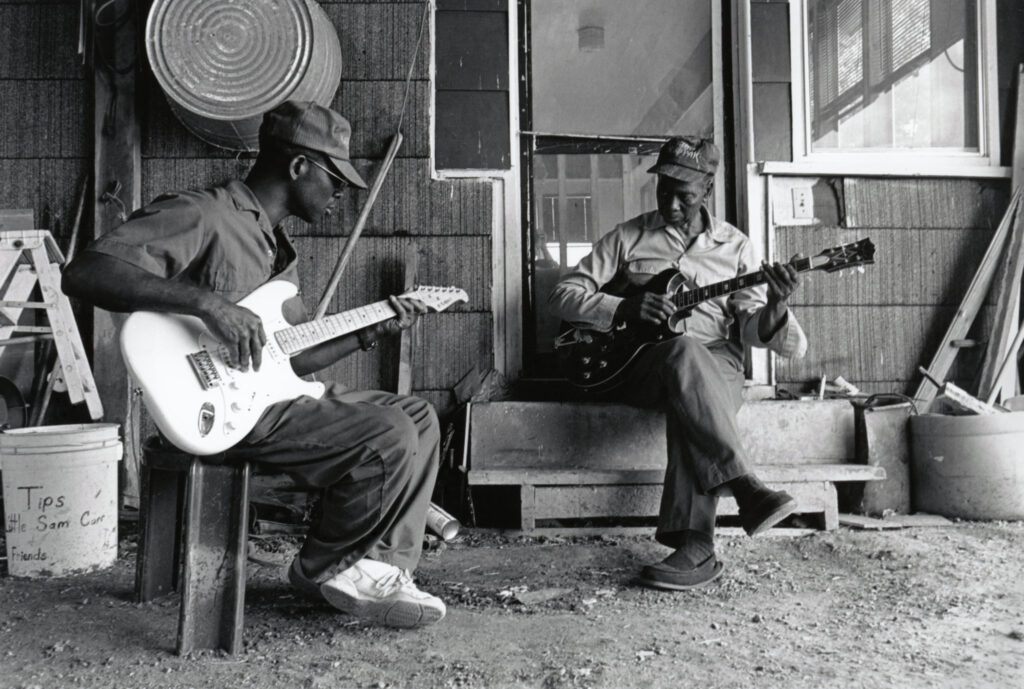
Documenting the Blues in the Mississippi Delta – The New York Times
Delta blues players on the porch — the raw, acoustic roots of the genre that would electrify the world.
How the Blues Migrated and Evolved
During the Great Migration, many musicians headed north to Chicago. There, the sound got louder and more urban. Muddy Waters plugged in his guitar, added a band, and helped create the powerful Chicago blues sound. His hits like “I Can’t Be Satisfied” and “Hoochie Coochie Man” became legendary.
From there, the blues exploded:
- B.B. King brought elegance, incredible string bending, and that famous “hummingbird” vibrato to the world. His guitar Lucille sang with emotion that influenced generations.
- Artists like Howlin’ Wolf, John Lee Hooker, and T-Bone Walker kept the fire burning.
![B.B. King - 'The Thrill Is Gone' [HD] | Live at North Sea Jazz Festival 2000](https://learnguitarwithjoe.com/wp-content/uploads/2026/04/sddefault.jpg)
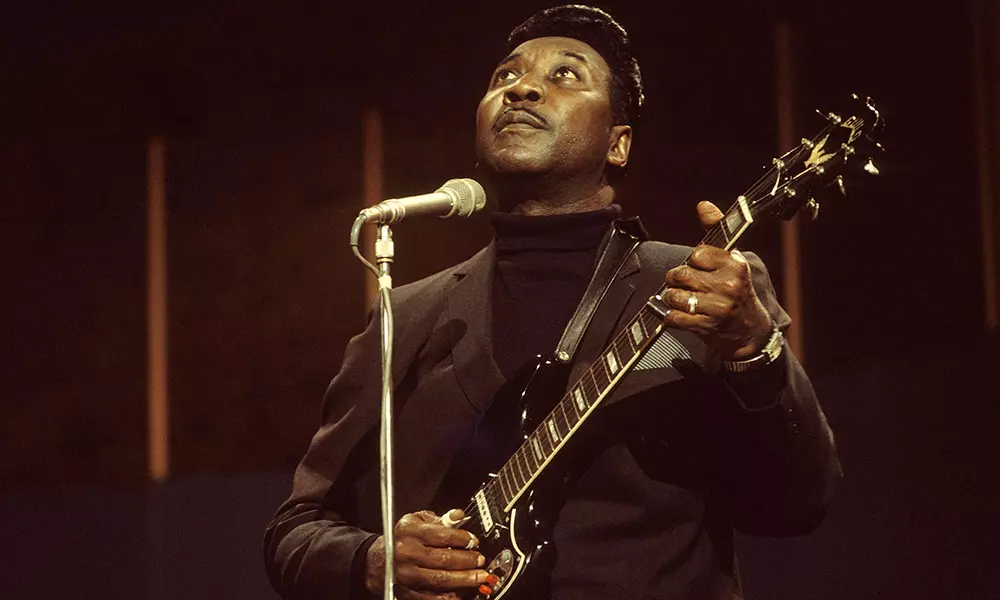
B.B. King pouring soul into every note, and Muddy Waters — the father of Chicago blues — bringing raw power to the electric guitar.
The Blues Gave Birth to Rock ‘n’ Roll (and Everything Else)
Chuck Berry took the 12-bar blues, sped it up, added a driving beat and duck-walk energy — and rock ‘n’ roll was born. Elvis Presley, Little Richard, and countless others built directly on blues foundations.
British bands in the 1960s (The Rolling Stones, Led Zeppelin, Eric Clapton) openly worshipped the blues. They covered Muddy Waters, Robert Johnson, and Howlin’ Wolf, then took those riffs worldwide.
The influence didn’t stop there:
- Jazz drew on blues scales and improvisation.
- Soul and R&B (Ray Charles, Aretha Franklin) blended blues with gospel.
- Funk, hip-hop, and even modern country carry blues DNA in their rhythms, chord progressions, and emotional delivery.
In short: Play almost any popular song today, and you’ll likely hear echoes of the blues.
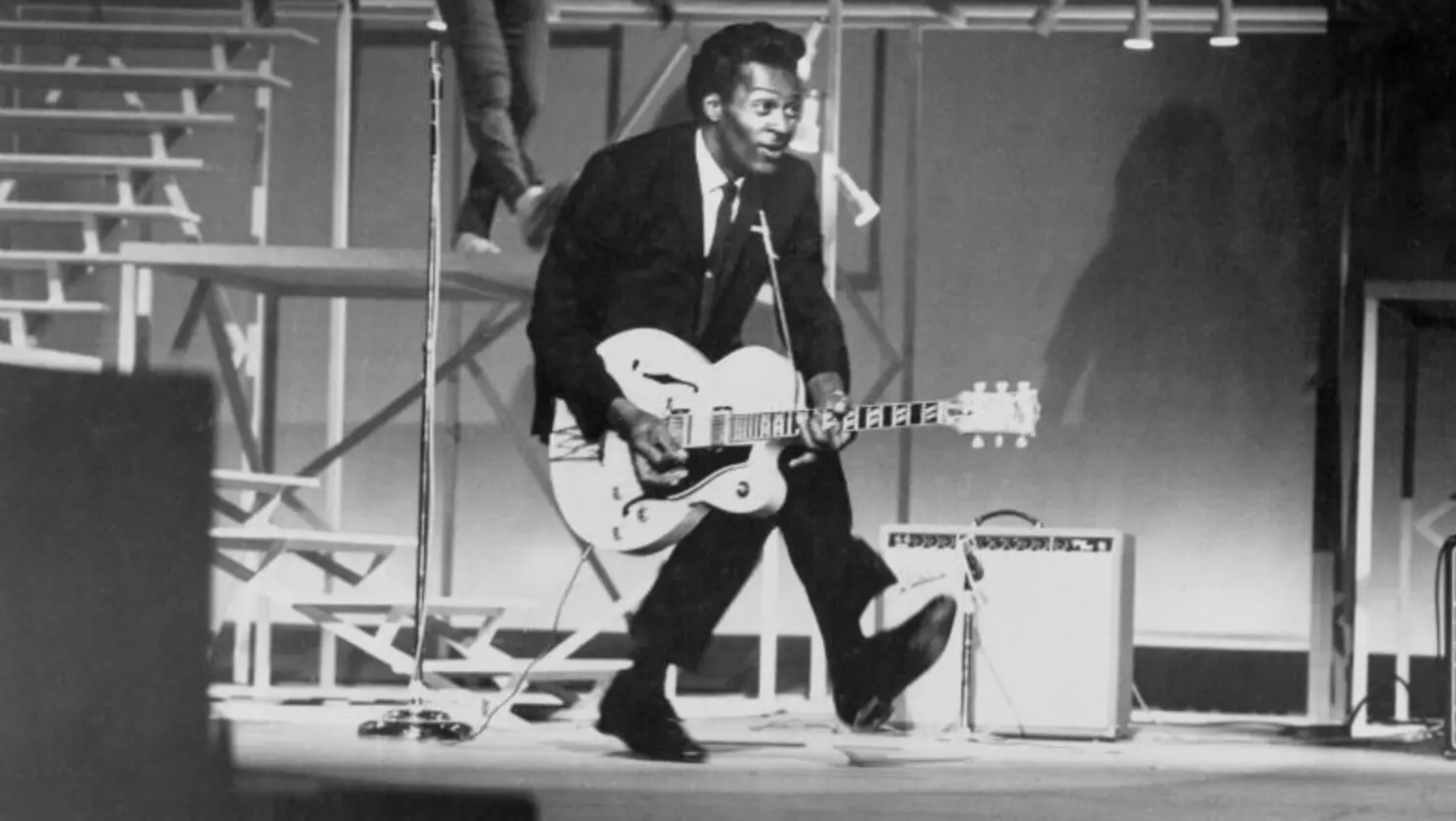
How Chuck Berry Revolutionized Rock and Roll | iHeart
Chuck Berry — the man who turned blues into rock ‘n’ roll and changed music forever.
Why Learning the Blues Will Make You a Better Guitarist
As a guitar player, diving into the blues is one of the smartest things you can do. Here’s why:
- Master the 12-bar progression — It teaches rhythm, timing, and chord changes better than almost anything else.
- Develop expressive techniques — String bending, vibrato, slides, and phrasing — these are the tools that make your playing sing.
- Learn to improvise — The blues scale is the perfect starting point for creating solos that actually feel musical and emotional.
- Build confidence and groove — Once you can shuffle and feel the blues, everything from rock to funk becomes easier.
Even if you mainly play rock, folk, or pop, understanding blues roots will give your playing more soul and authenticity.

Chase Walker Band | Jam in the Van | Blues Rock and Roll (Full Set 2025) – YouTube
Modern blues-rock energy — the tradition is alive and thriving on stages today.
Ready to Get That Blues Feel in Your Playing?
If you want to start playing real blues on guitar (or deepen what you already know), I’ve got structured lessons that break it down step by step — from your first 12-bar shuffle to bending strings like the legends.
Check out my beginner blues guitar lessons or book a personalized 1-on-1 coaching session if you want direct feedback on your tone, phrasing, and improvisation.
The blues isn’t just history — it’s the living backbone of the music we love. Once you feel it in your fingers and your heart, your guitar playing will never be the same.
What’s your favorite blues song or artist? Drop it in the comments below — I’d love to hear!
Keep practicing, stay curious, and let the blues guide you.
— Joe
Berklee Graduate & Guitar Coach